If you are just starting to homeschool, you have probably already felt the weight of it. There are curricula to choose, methods to compare and families who already seem to have it all figured out. It is easy to believe that a good education is a matter of doing more, buying more and structuring every hour. Almost none of that is true. The most important things are simpler than they look, and you may already be doing them.
Keep the Marriage First
Start with something that may not sound intuitive. One of the greatest gifts you can give your children is to keep your marriage first in the home.
Your children are a ministry, and one of the highest ones we could be called to.
"Behold, children are an inheritance of Yahweh, the fruit of the womb is a reward." (Psalm 127:3, LSB)
But the idea that you must sacrifice your marriage for the sake of your children is a lie, and a costly one. A child raised in a home where the marriage is honored learns what covenant looks like before he can name it. A child raised in a home where the marriage is neglected for his sake learns that love is something you earn by being needed. Putting the marriage first is not a betrayal of the children. It is one of the deepest things you will ever teach them.
"Therefore a man shall leave his father and his mother, and cleave to his wife; and they shall become one flesh." (Genesis 2:24, LSB)
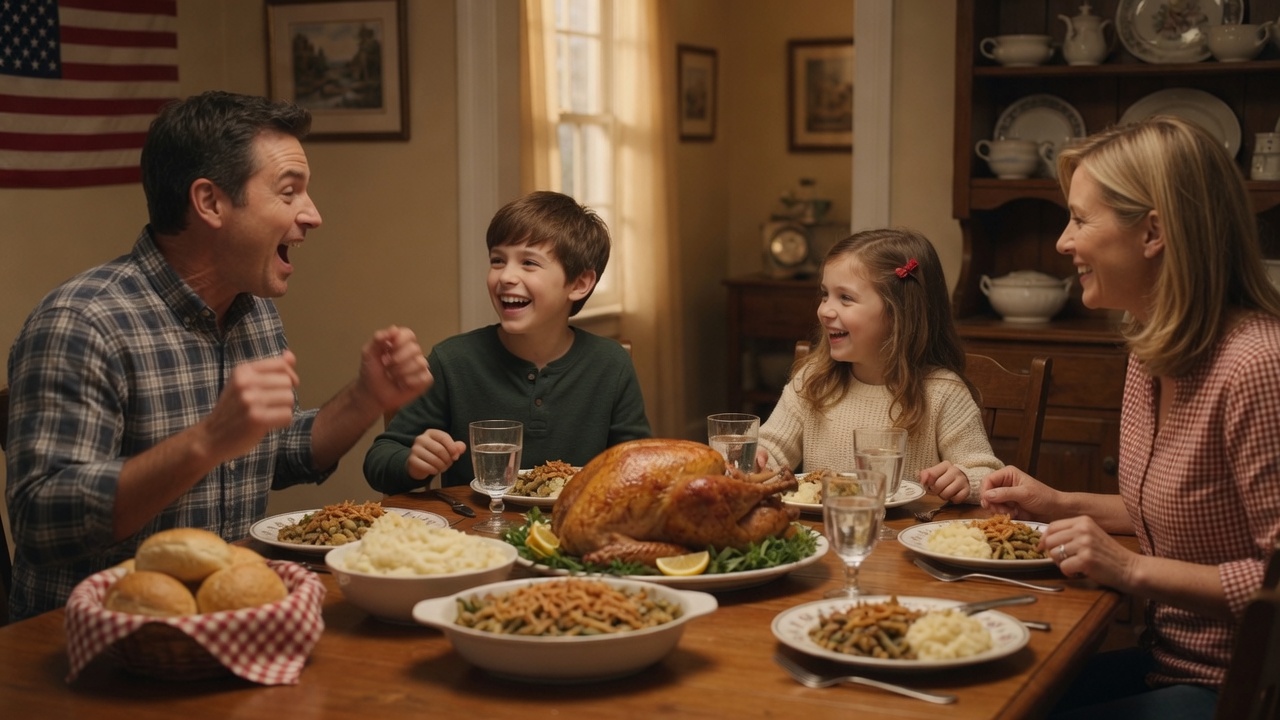
Scripture builds the family in that order. When Paul describes the Christian household, he begins with husband and wife (Ephesians 5:22-33) and only then turns to parents and children (Ephesians 6:1-4). The marriage is the foundation the household is built on, not a room the children crowd out.
Being There Is Bigger Than You Think
Now breathe. It is easy to feel that you must do more, add more and prove that you are serious about this. You do not. For a young child, your presence is not the backdrop to the education. It is the education. Being there, paying attention and answering the questions is bigger than you realize. Keep it simple, especially at the start.
You Are Always Teaching
Here is the truth that makes homeschooling both lighter and heavier than you expect. You are always teaching. Learning does not wait for a desk or a lesson plan. It runs from the first breath to the last, and most of it happens in the ordinary hours.
"These words, which I am commanding you today, shall be on your heart. You shall teach them diligently to your sons and shall speak of them when you sit in your house and when you walk by the way and when you lie down and when you rise up." (Deuteronomy 6:6-7, LSB)
Notice where that teaching happens: when you sit in your house, when you walk by the way, when you lie down and when you rise up. It is not confined to a classroom because life itself is the classroom. A walk becomes a lesson in what God made. A hard moment becomes a lesson in where courage comes from. You do not have to manufacture these moments. You have to see them.
It also means the teaching never stops. You never stop learning, so why would we think there is a moment when our children do? Whoever is watching you, even casually, is picking up something. Your children are learning your habits, your reactions, your loves and your fears long before they can repeat a fact back to you.
Nurture, or Provoke
Scripture puts one charge at the center of all this teaching, and it frames it as a fork with no neutral middle.
"Fathers, do not provoke your children to anger, but bring them up in the discipline and instruction of the Lord." (Ephesians 6:4, LSB)
A parent either brings a child up in the discipline and instruction of the Lord or provokes him to anger. There is no third lane. And the parallel household passage in Colossians names where the second road ends.
"Fathers, do not exasperate your children, so that they will not lose heart." (Colossians 3:21, LSB)
To leave a child unformed, to feed his mind everything except the Lord who made him, is not a harmless gap. It's a discouraging one. So the ordinary, unstructured discipleship you are already doing is not extra credit. It is the assignment.
Convictions You Grow Into
As your children grow, you will develop convictions about what and how to teach. You will form a view on how economics should be understood, how civics should be approached and which parts of the classical tradition matter most to you. These are real decisions and they are worth thinking about.
But you do not have to have them settled today, and you should not try to. Hold them loosely. Your convictions will sharpen as you mature as a parent and learn the work by doing it. The goal at the start is not a finished philosophy of education. It is a direction and the willingness to keep learning alongside your child.
Build the Library
One thing you can start now, long before the bigger questions are settled, is to gather books. Begin collecting the ones you believe are most important for your child to read, the ones you want shaping his imagination and his mind. A home full of good books does quiet work over years. Lean on them. They will carry more of the education than any method you choose.
You Do Not Have to Build It All Yourself
If that list of decisions still feels heavy, here is the relief. You don't need to build an entire education from scratch and on your own.
This is part of why we are building GraceHaven Academy: a curriculum that begins where a child begins, teaching a child to read and building from there, letting each student grow at his own pace while the parent keeps control of what the child is doing and seeing.
You do not have to have all of this figured out today. Keep the marriage first. Be present. Watch for the lessons already in front of you. The rest will come.